Area Emitters
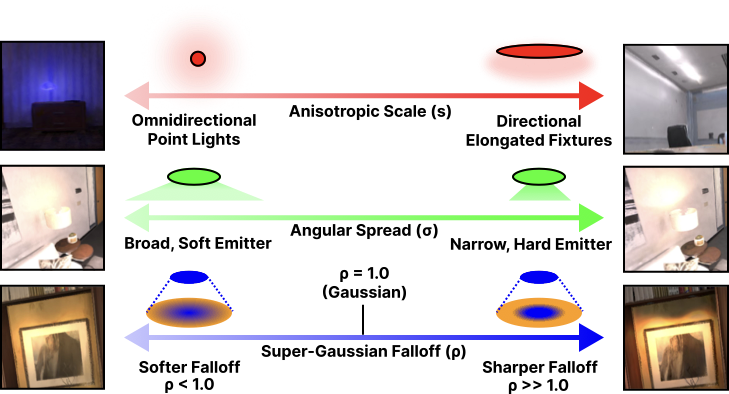
Each emitter uses anisotropic scale and a Super-Gaussian angular falloff, allowing one primitive to vary from broad omnidirectional emission to more directional fixtures.
1 University of Tübingen
arXiv Preprint, 2026
Inverse rendering is ill-posed because illumination, geometry, and material appearance are entangled in the input images. Existing relightable Gaussian Splatting methods often approximate illumination with point lights, environment maps, or implicit light fields, which makes finite-area lights and soft local shadows difficult to recover.
AEGIR introduces explicit local area emitters into a relightable Gaussian Splatting representation. By jointly optimizing emitters, geometry, and PBR materials with differentiable deferred rendering and visibility tracing, AEGIR improves lighting reconstruction and enables controllable scene editing.
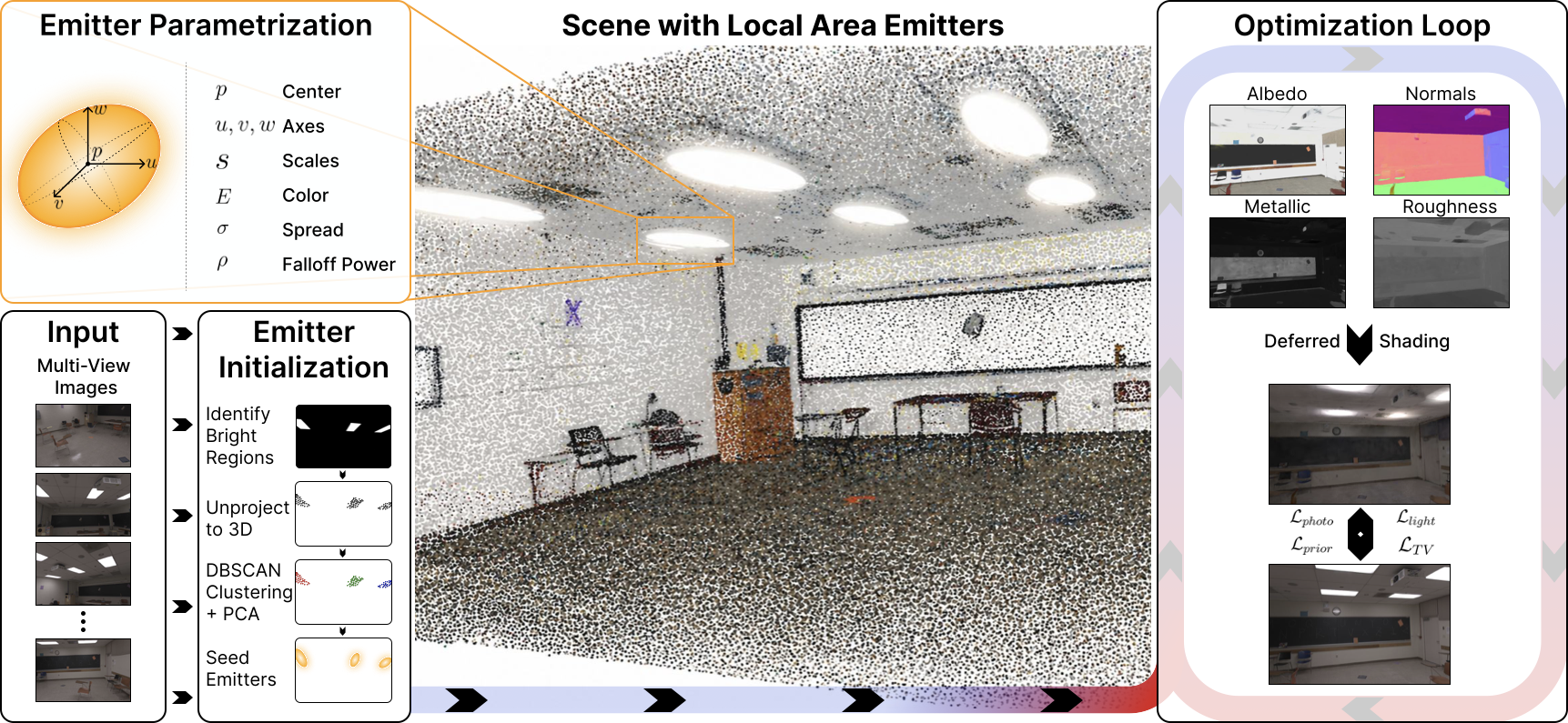
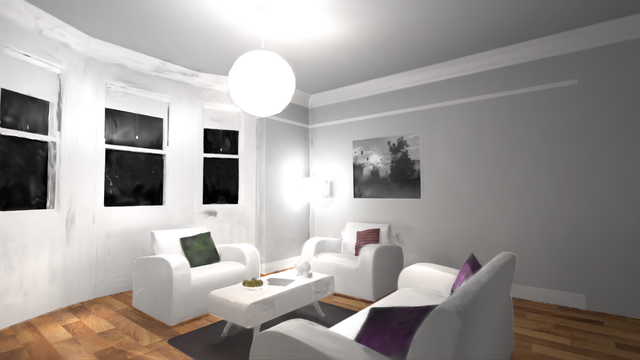
AEGIR represents indoor light sources as localized anisotropic 3D primitives with learnable position, orientation, color, scale, and angular emission. This representation lets lighting explain shadows and highlights while reducing their leakage into albedo.
Each emitter uses anisotropic scale and a Super-Gaussian angular falloff, allowing one primitive to vary from broad omnidirectional emission to more directional fixtures.
A deferred G-buffer stores albedo, roughness, metallic, and surface normals. A microfacet BRDF evaluates illumination with emitter sampling and visibility tracing.
Photometric losses, diffusion material priors, edge-aware smoothness, light regularization, and a final emitter-only refinement stabilize the decomposition.
AEGIR models each light as a learnable ellipsoidal emitter. Its spatial scale controls the emitter shape, the angular spread controls how broad or directional the light is, and the Super-Gaussian falloff controls whether the illumination decays softly or sharply.
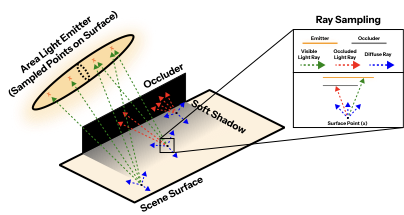
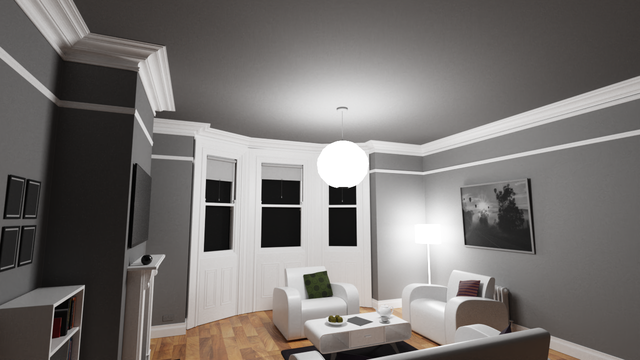
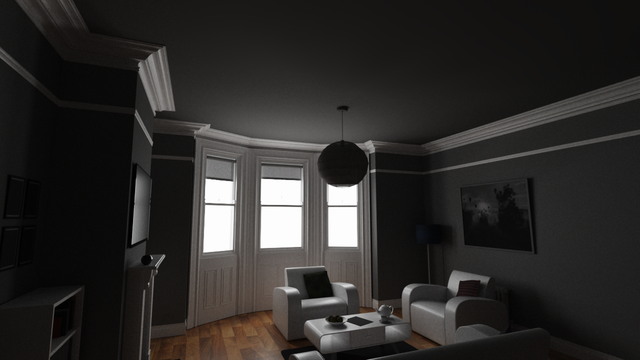
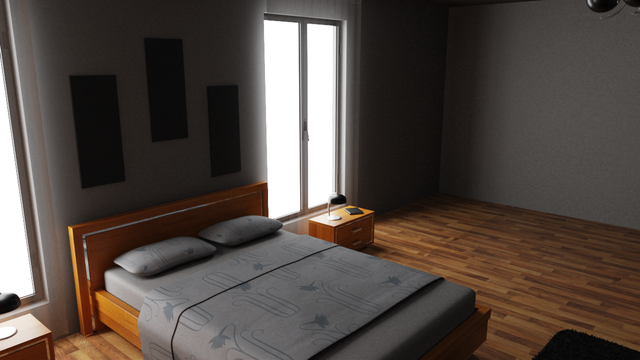
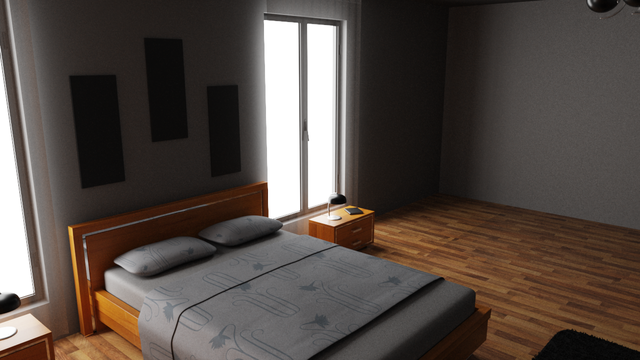
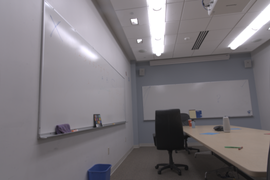
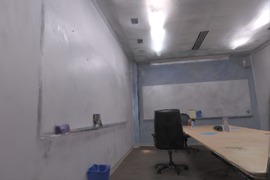
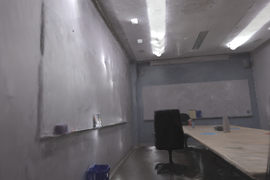
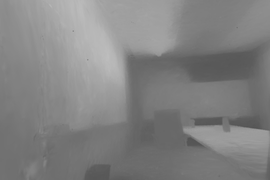
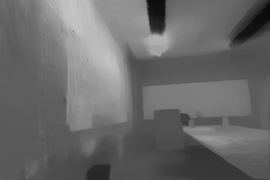
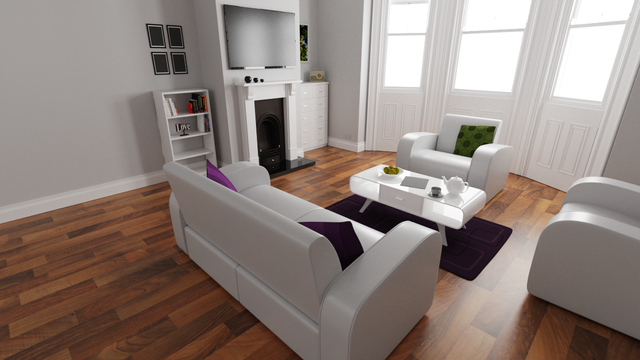
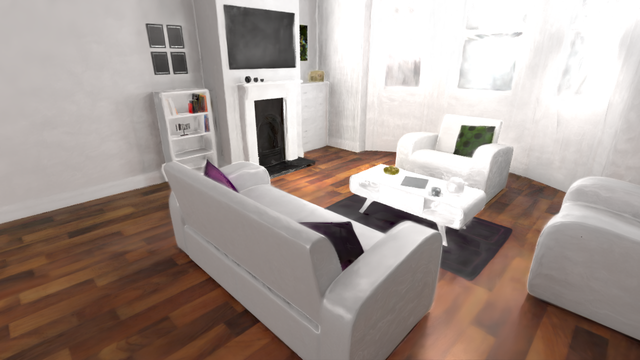
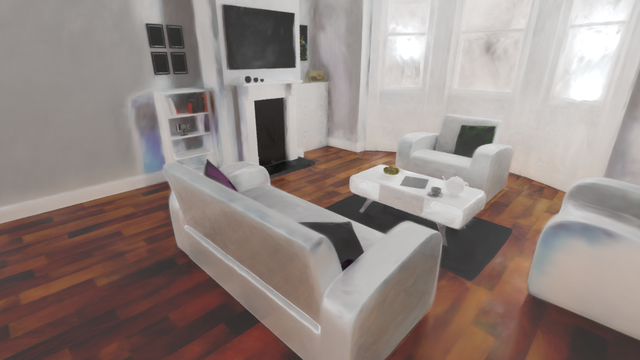
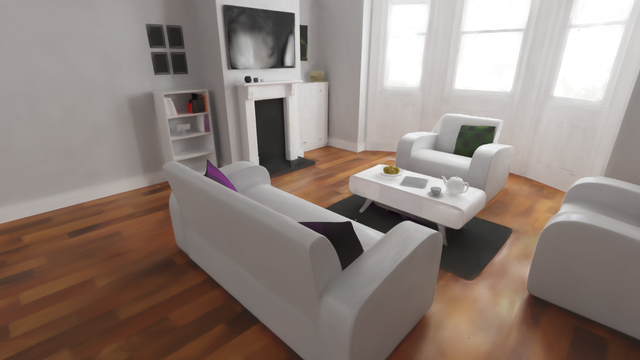
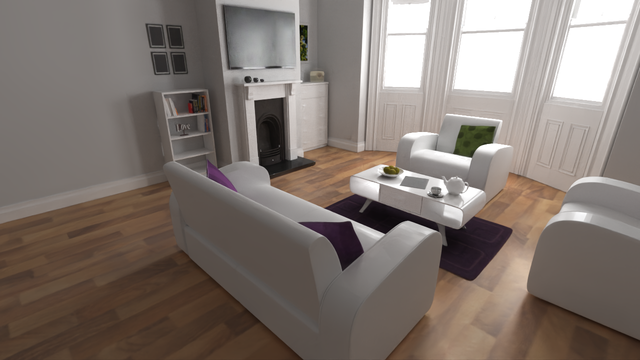
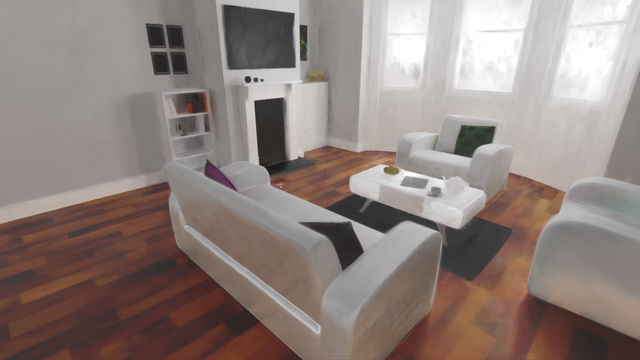
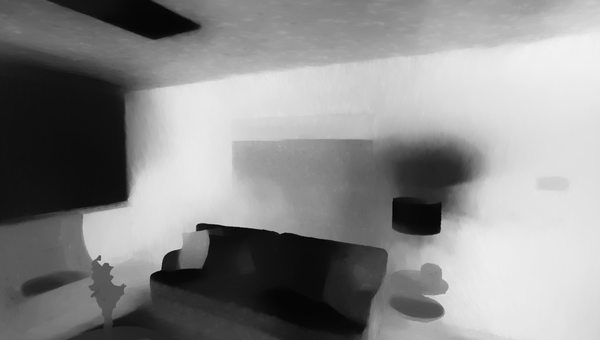
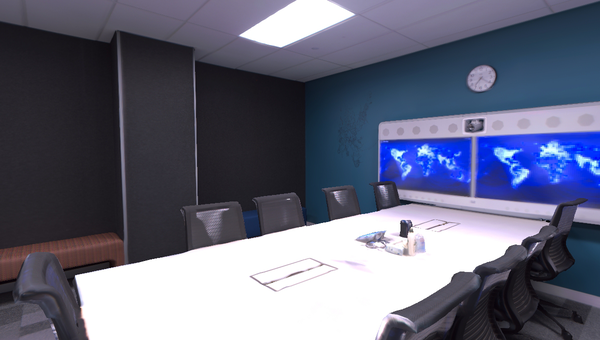
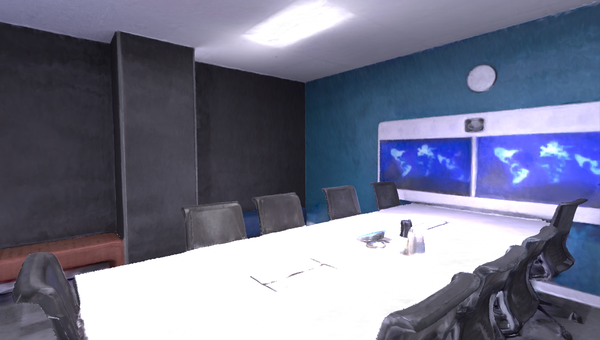
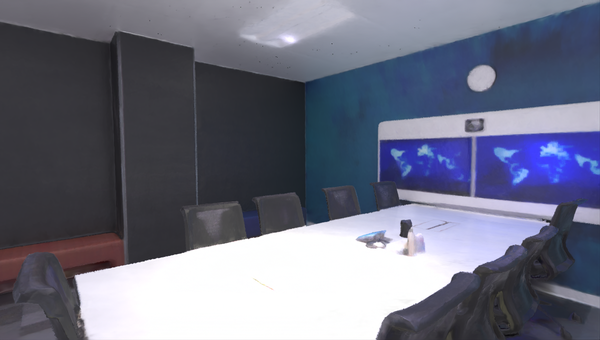
AEGIR evaluates lighting in a controlled Mitsuba setup by fixing ground-truth geometry and materials and re-rendering each scene with the recovered lights. This isolates illumination quality, showing that explicit area emitters better match the reference lighting and recover smoother indoor illumination than point-light or environment-map baselines.
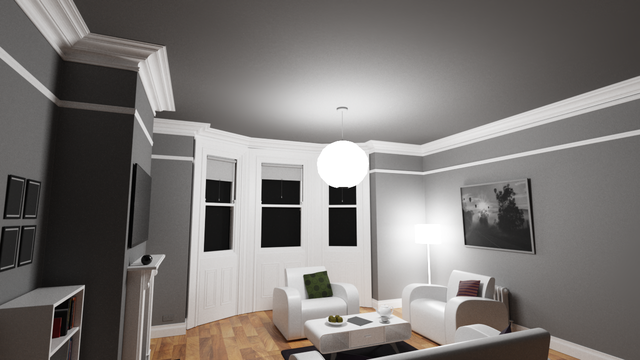
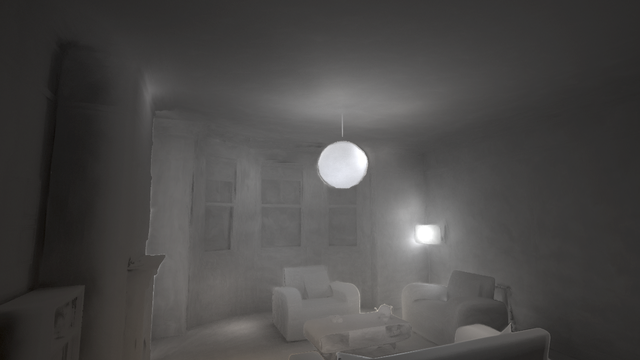
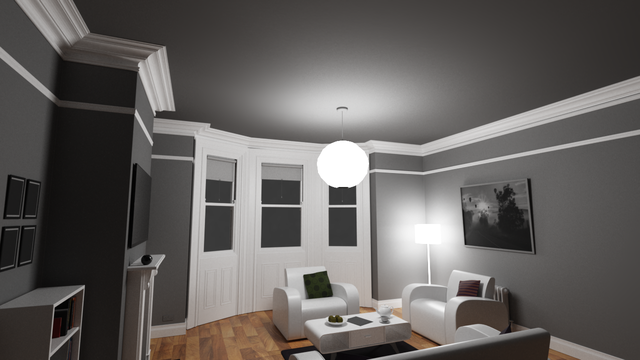
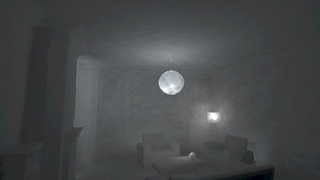
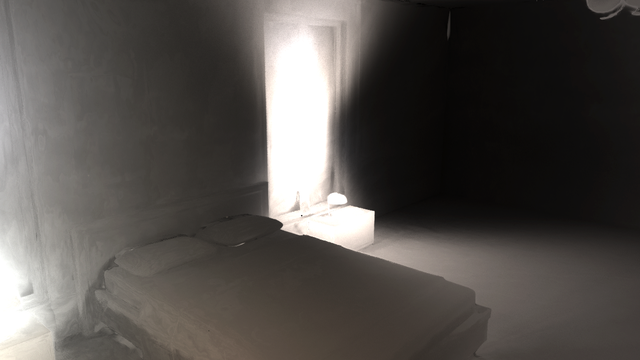
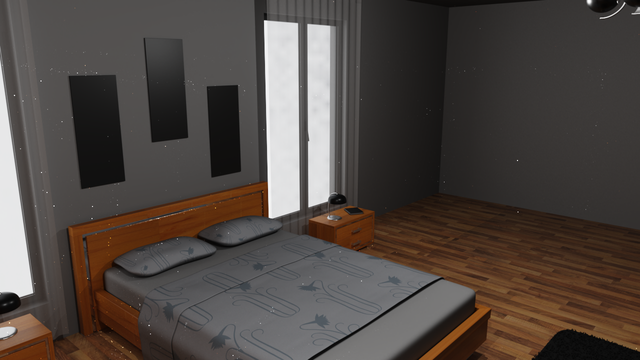
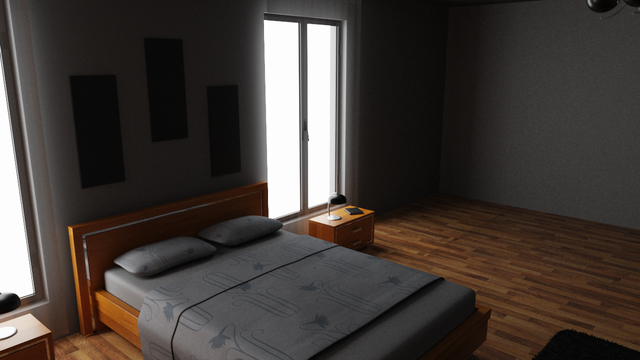
| Method | Indoor Lighting | Environment Lighting | ||||
|---|---|---|---|---|---|---|
| PSNR | SSIM | LPIPS | PSNR | SSIM | LPIPS | |
| GS-ID | 28.35 | 0.92 | 0.11 | 26.35 | 0.86 | 0.15 |
| IRGS | 11.26 | 0.49 | 0.25 | 28.98 | 0.88 | 0.14 |
| AEGIR | 31.42 | 0.94 | 0.06 | 30.22 | 0.92 | 0.07 |
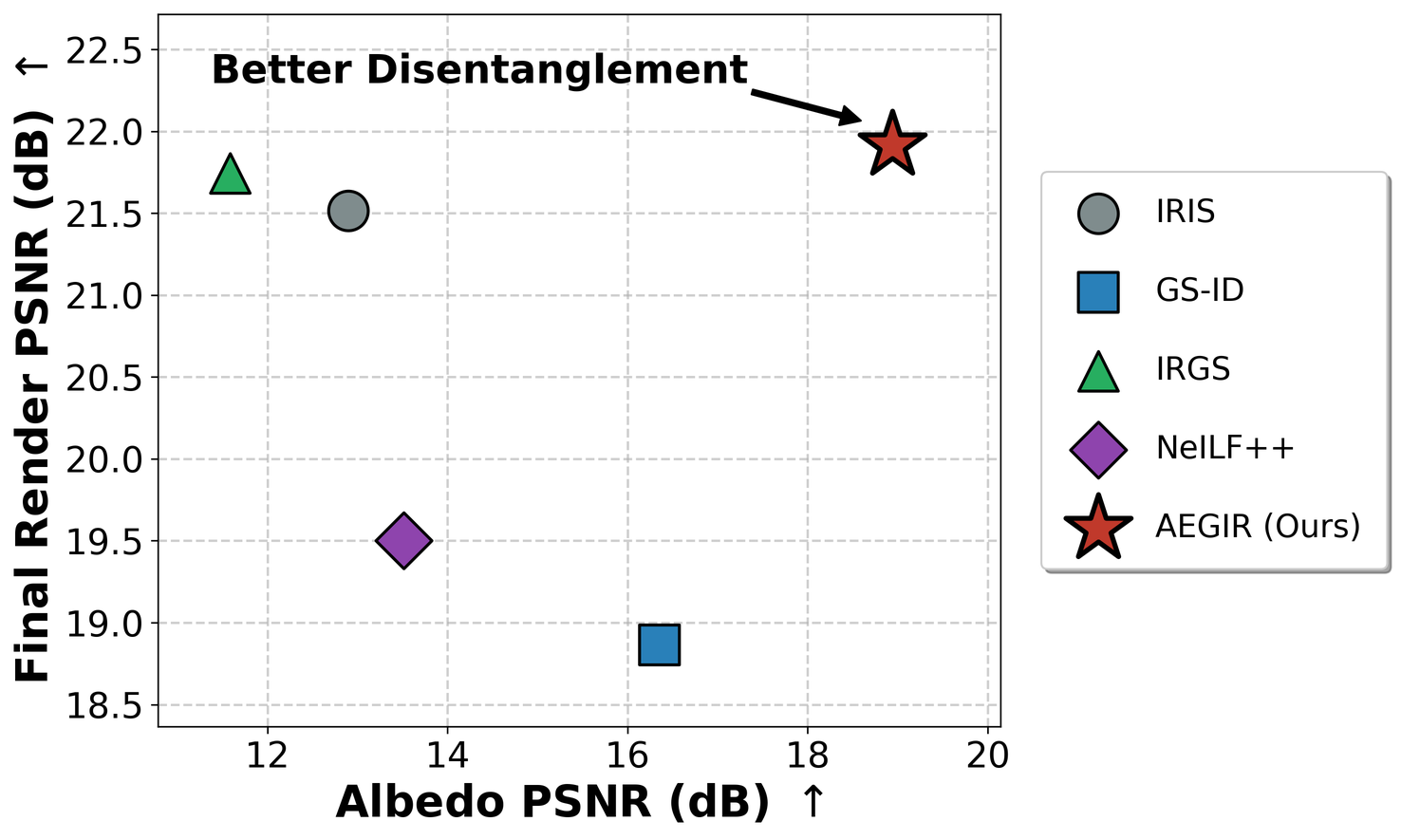
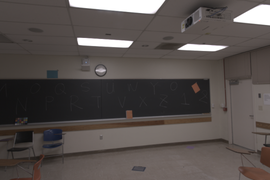
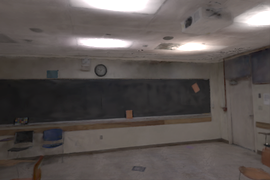
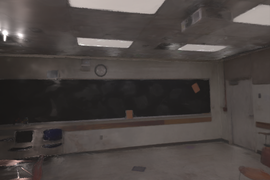
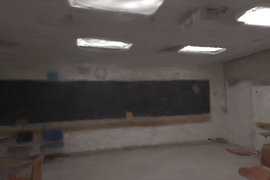
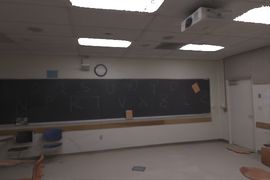
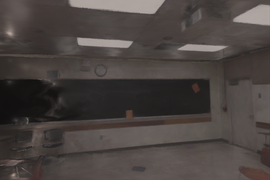
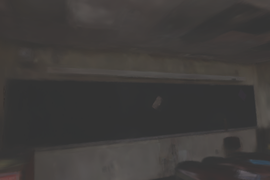
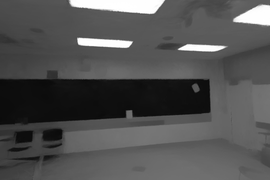
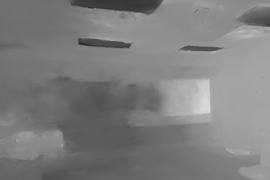
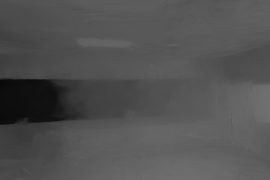
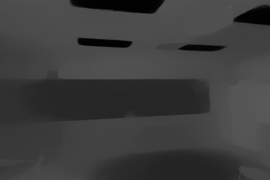
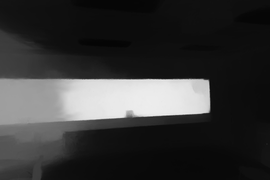
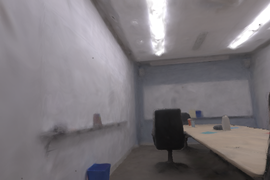
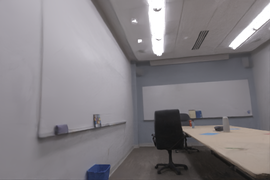
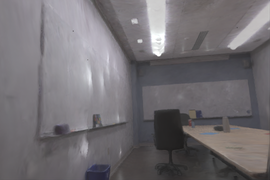
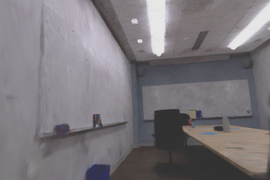
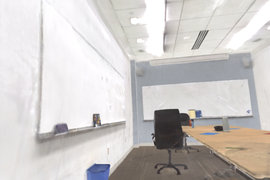
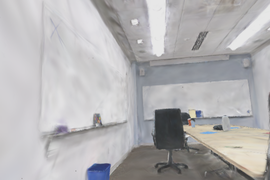
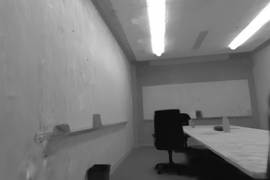
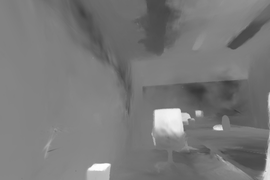
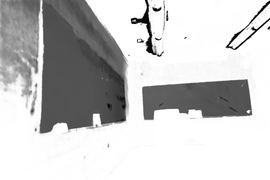
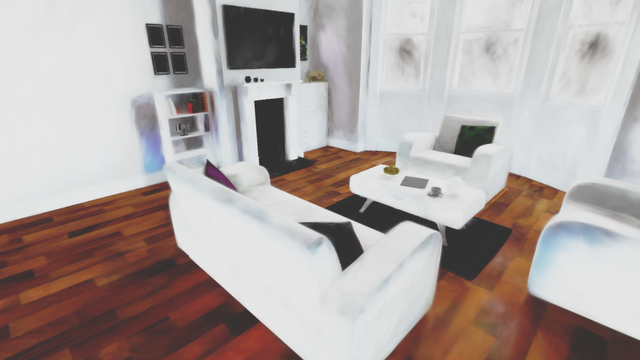
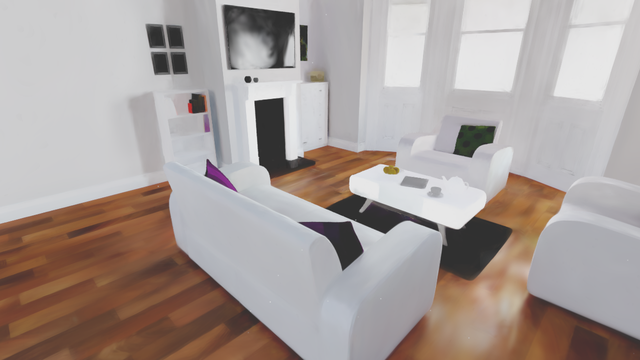
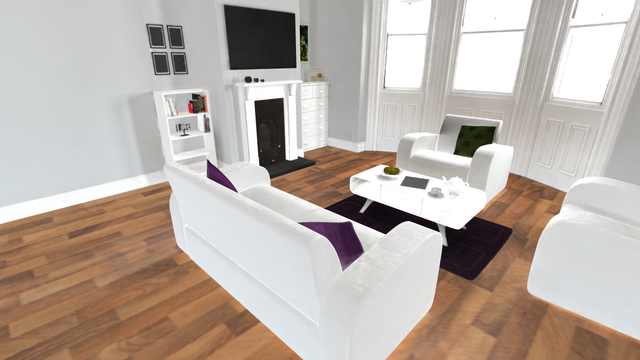
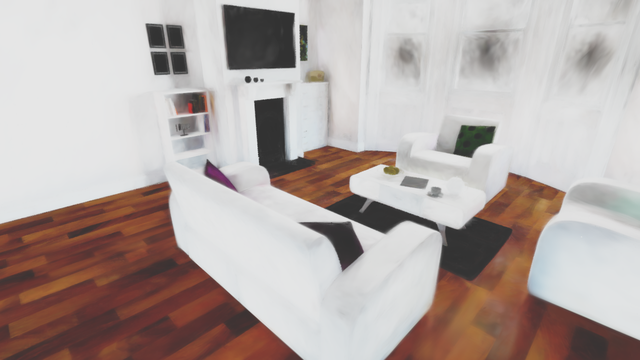
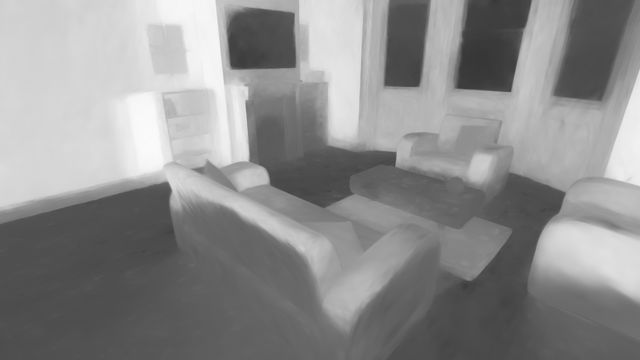
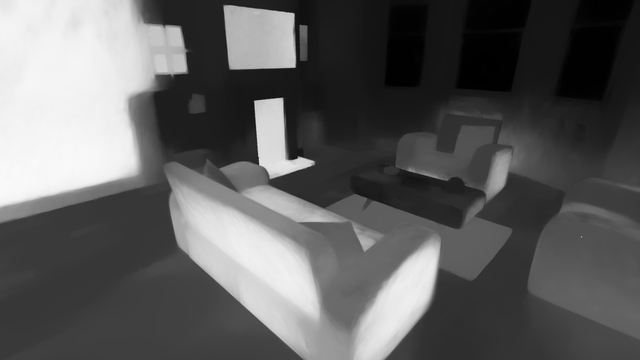
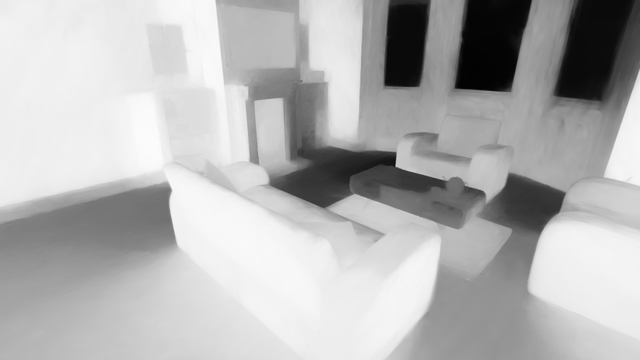
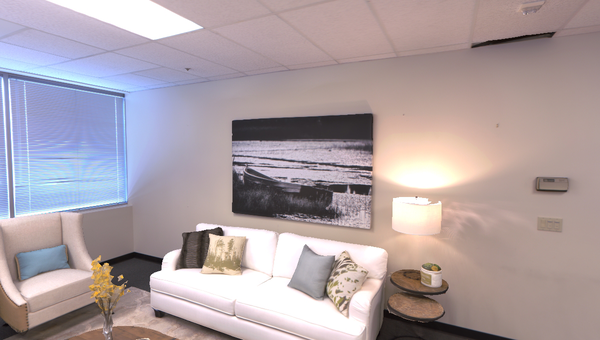
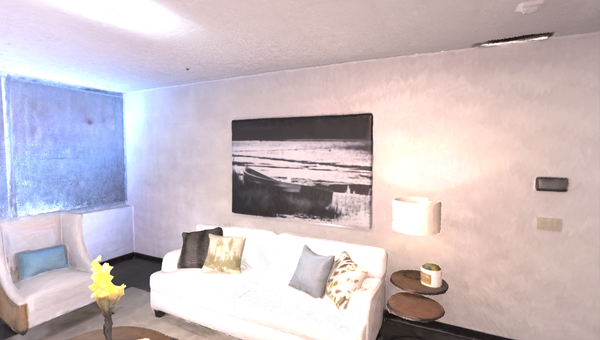
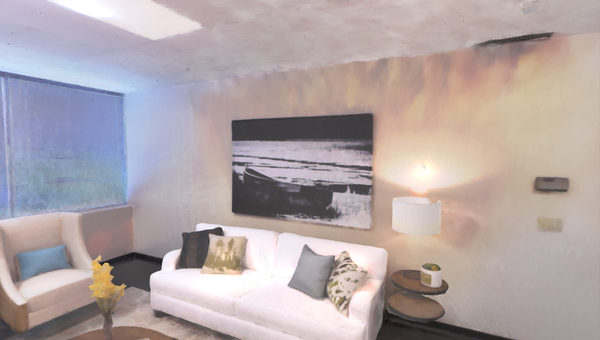
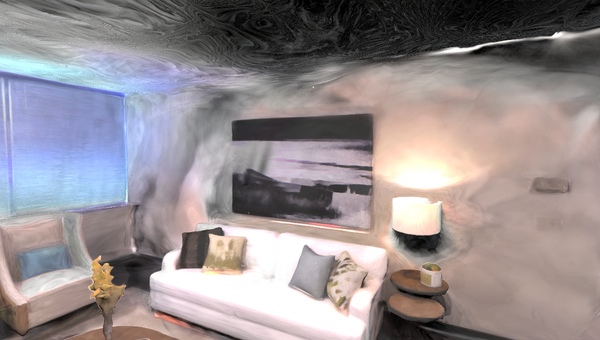
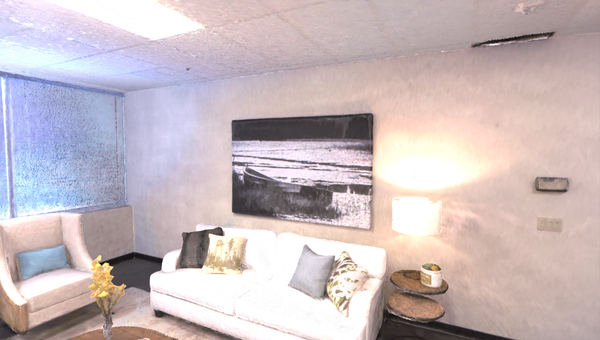
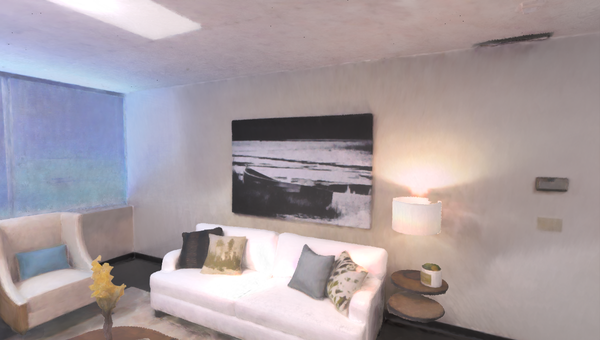
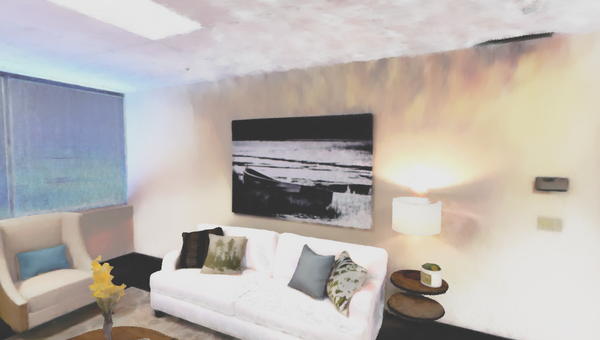
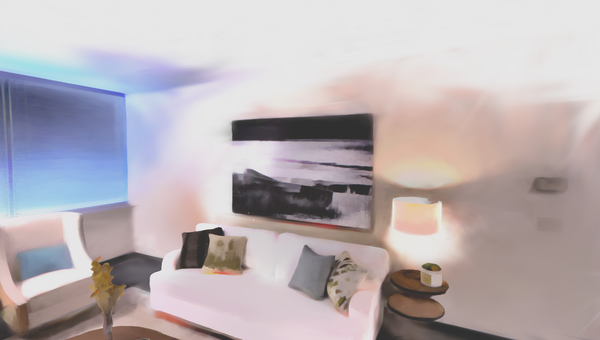
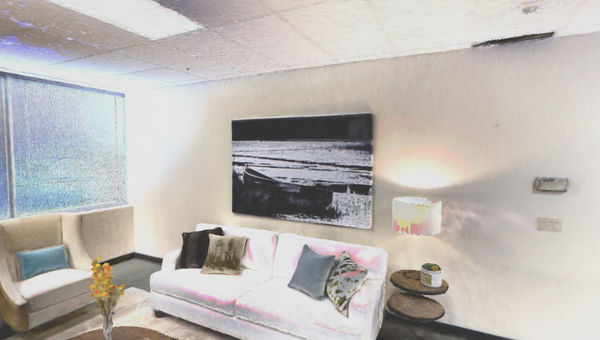
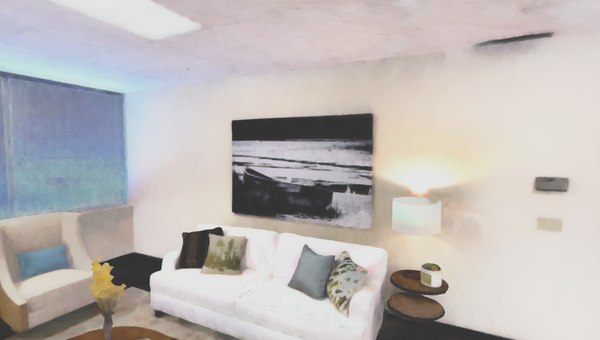
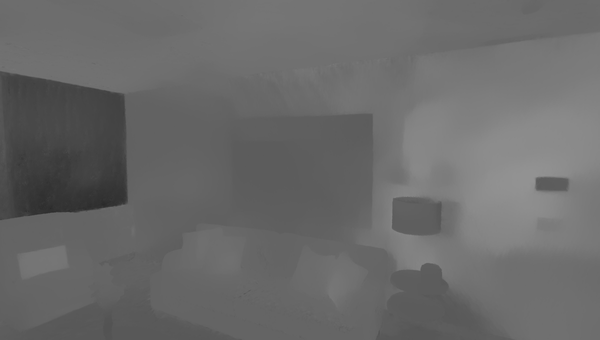
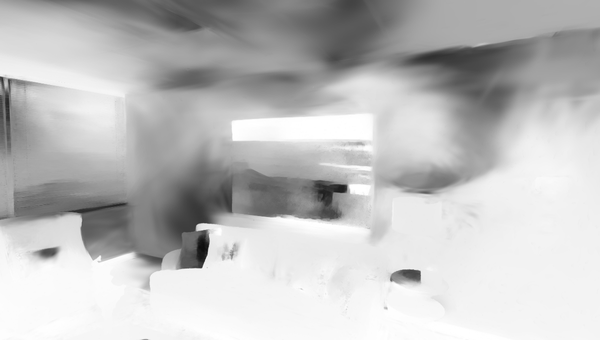
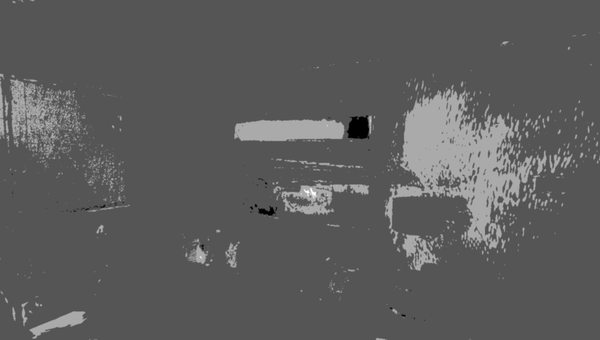
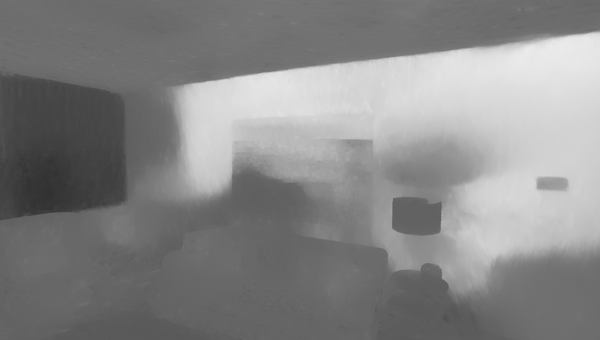
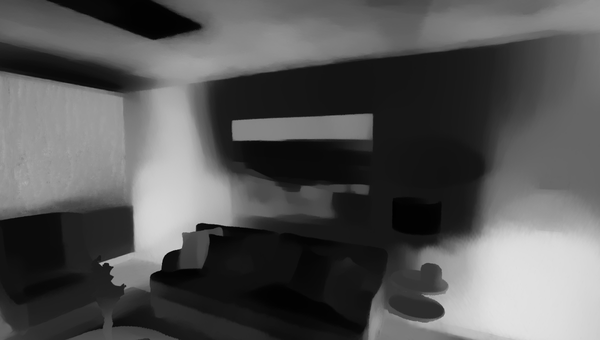
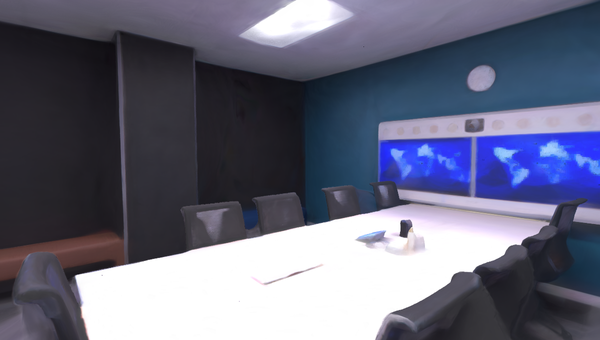
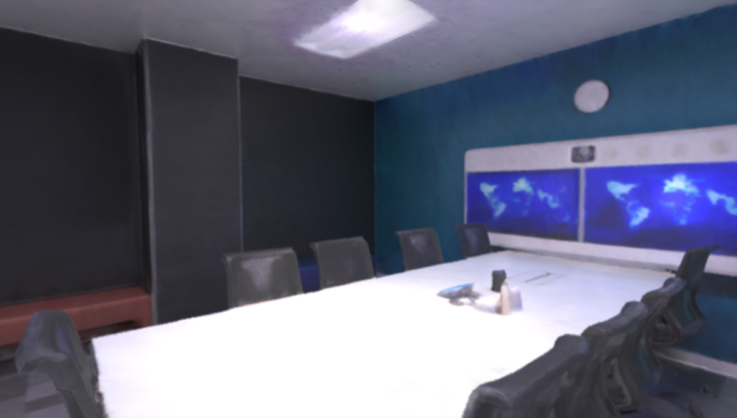
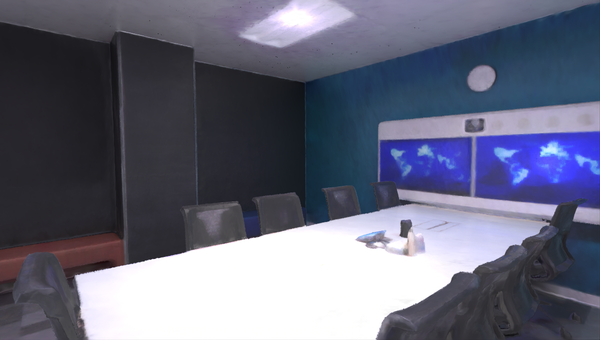
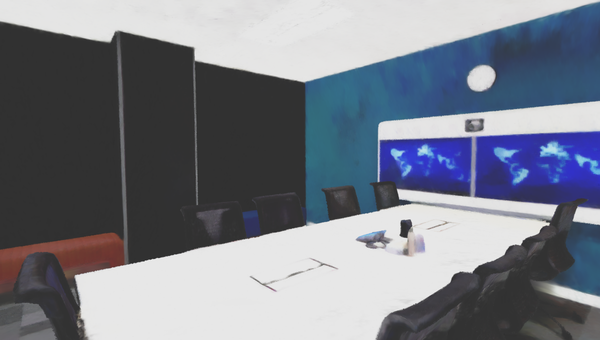
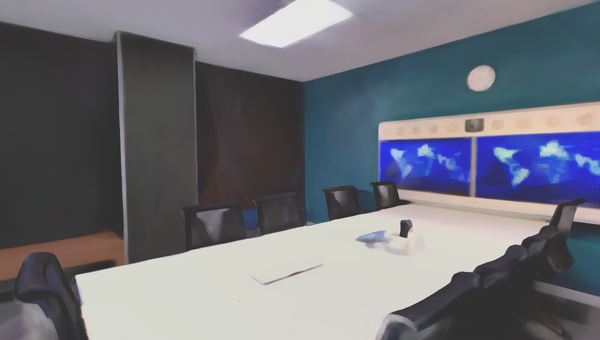
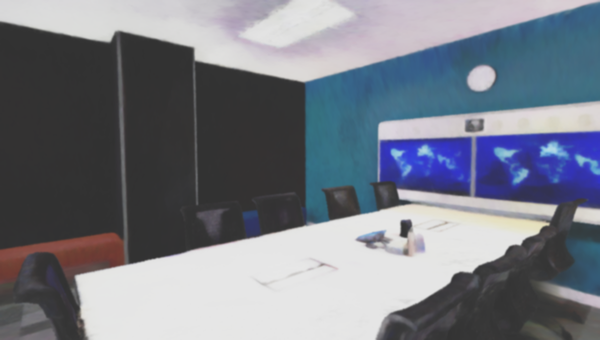
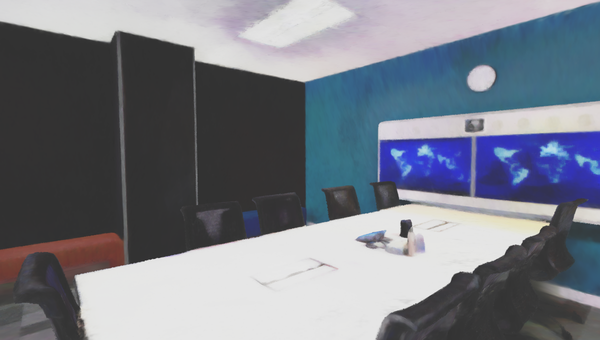
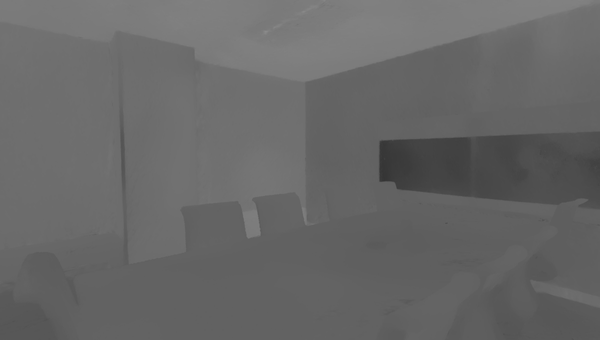
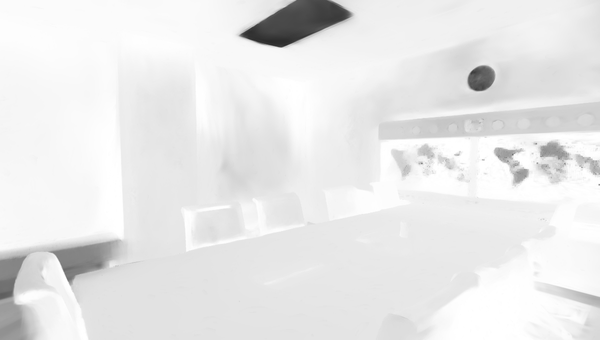
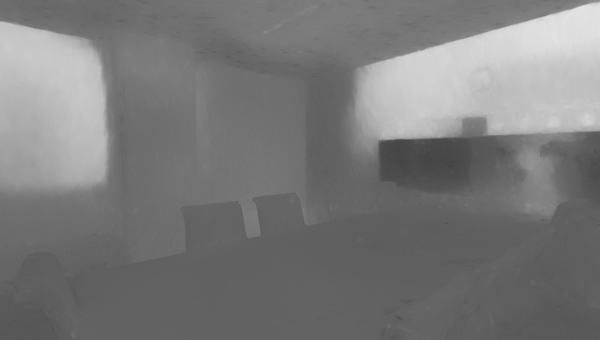
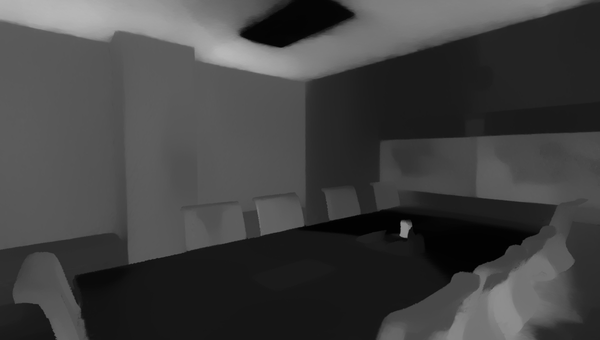
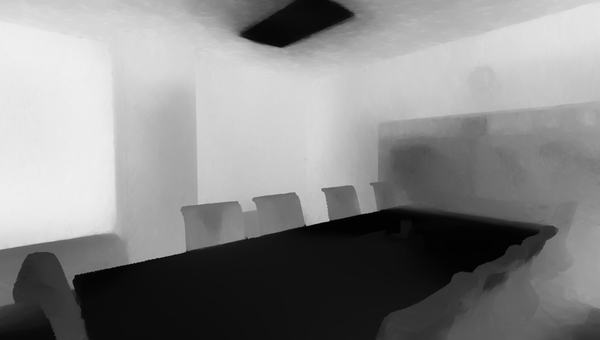
Across real-world benchmarks, AEGIR delivers the best novel-view synthesis scores on ScanNet++, Replica, and FIPT-Real. On synthetic scenes, its improved albedo recovery indicates stronger material-illumination disentanglement, enabled by explicit area emitters and the proposed optimization strategy.
| Property | Reference | AEGIR (ours) | GS-ID | IRGS | IRIS | NeILF++ |
|---|---|---|---|---|---|---|
| Render |
 |
 |
 |
 |
 |
 |
| Albedo | 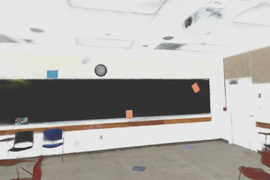 |
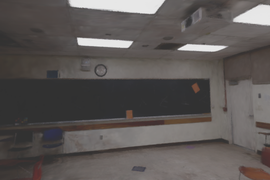 |
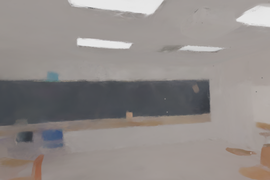 |
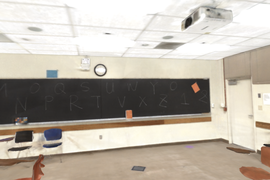 |
 |
|
| Roughness | 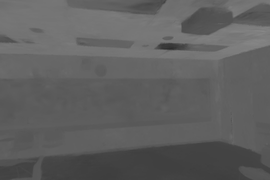 |
 |
 |
 |
 |
|
| Metallic | 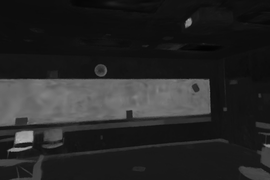 |
 |
N/A | 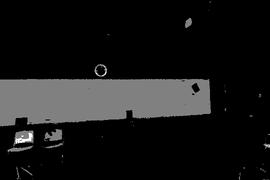 |
 |
| Property | Reference | AEGIR (ours) | GS-ID | IRGS | IRIS | NeILF++ |
|---|---|---|---|---|---|---|
| Render |
 |
 |
 |
 |
 |
 |
| Albedo | 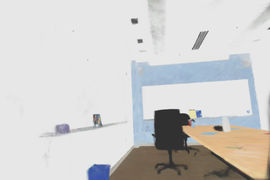 |
 |
 |
 |
 |
|
| Roughness | 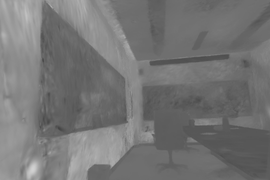 |
 |
 |
 |
 |
|
| Metallic | 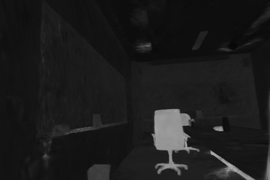 |
 |
N/A | 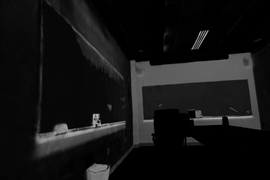 |
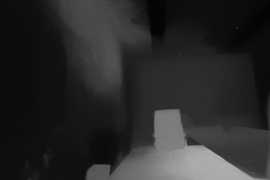 |
| Property | Reference | AEGIR (ours) | GS-ID | IRGS | IRIS | NeILF++ |
|---|---|---|---|---|---|---|
| Render |
 |
 |
 |
 |
 |
 |
| Albedo | 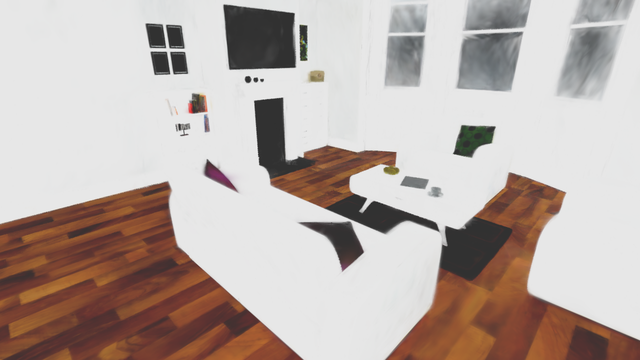 |
 |
 |
 |
 |
|
| Roughness | 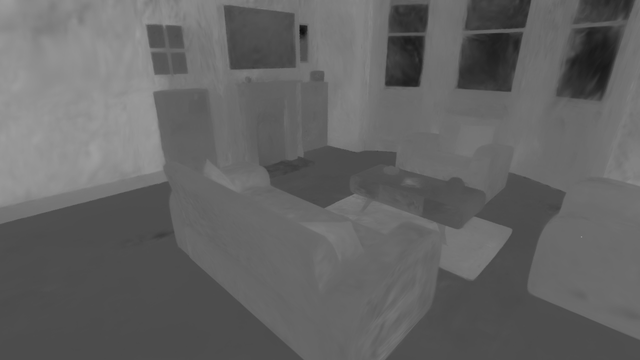 |
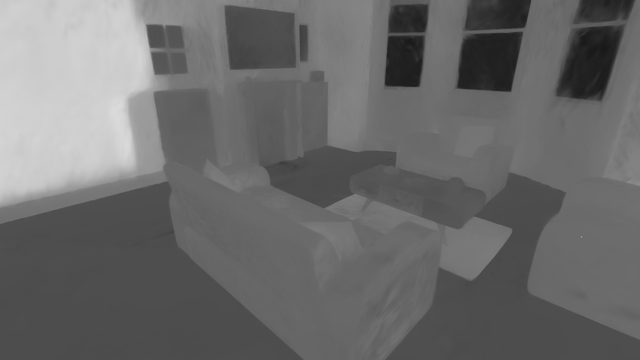 |
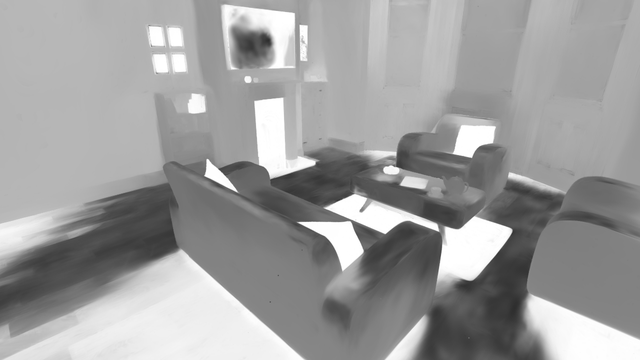 |
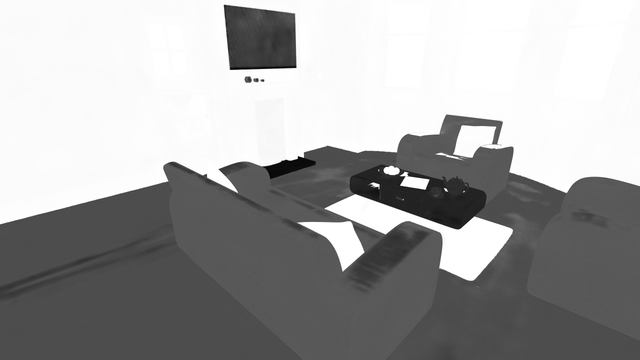 |
 |
|
| Metallic | 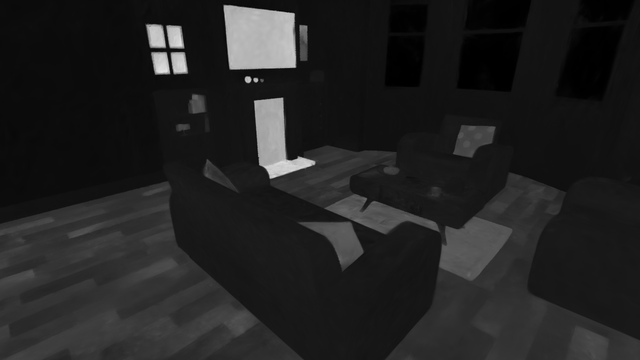 |
 |
N/A | 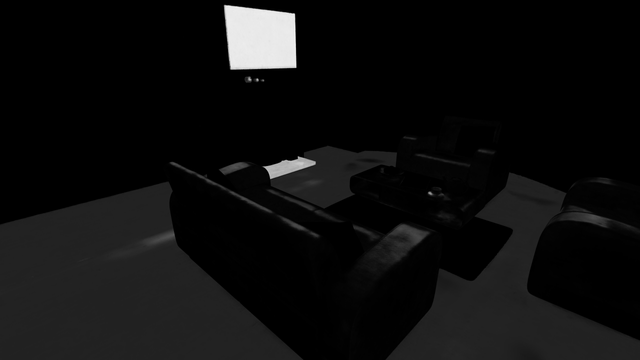 |
 |
| Property | Reference | AEGIR (ours) | GS-ID | IRGS | IRIS | NeILF++ |
|---|---|---|---|---|---|---|
| Render |
 |
 |
 |
 |
 |
 |
| Albedo | 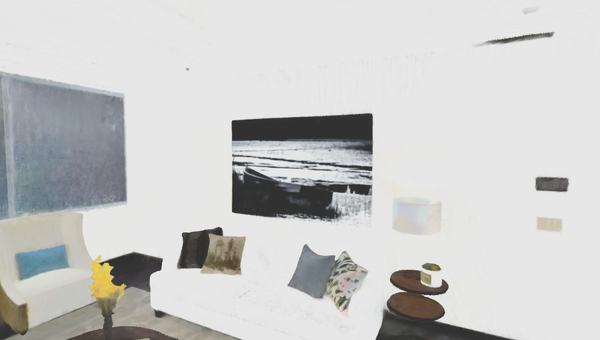 |
 |
 |
 |
 |
|
| Roughness | 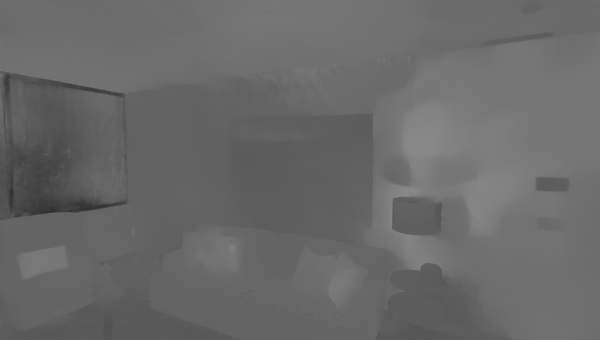 |
 |
 |
 |
 |
|
| Metallic | 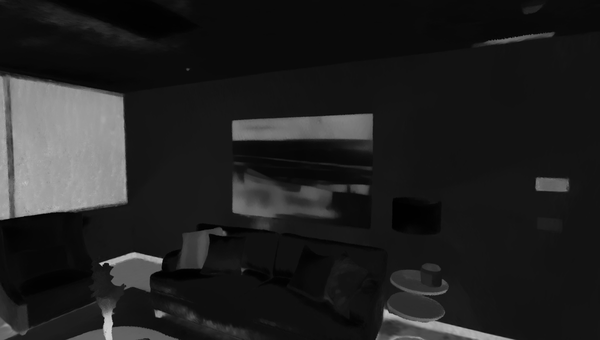 |
 |
N/A | 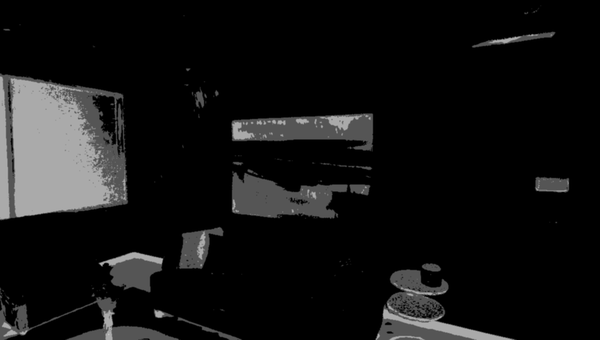 |
 |
| Property | Reference | AEGIR (ours) | GS-ID | IRGS | IRIS | NeILF++ |
|---|---|---|---|---|---|---|
| Render |
 |
 |
 |
 |
 |
 |
| Albedo | 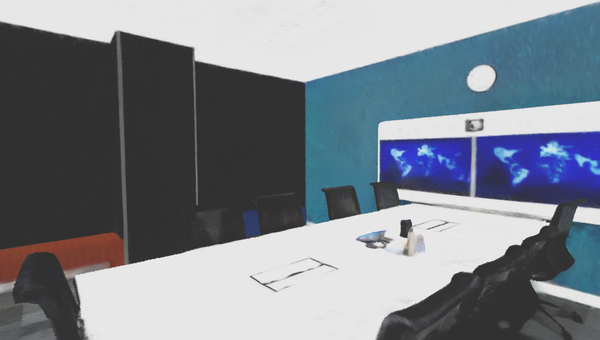 |
 |
 |
 |
 |
|
| Roughness | 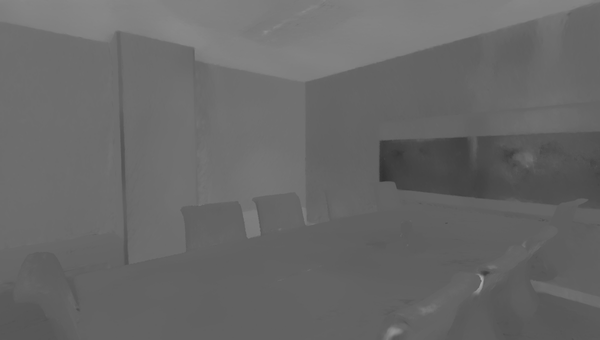 |
 |
 |
 |
 |
|
| Metallic | 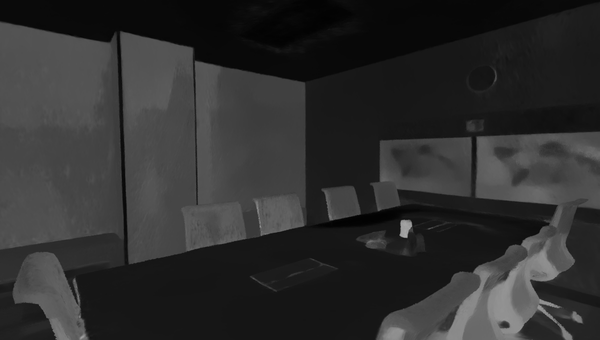 |
 |
N/A |  |
 |
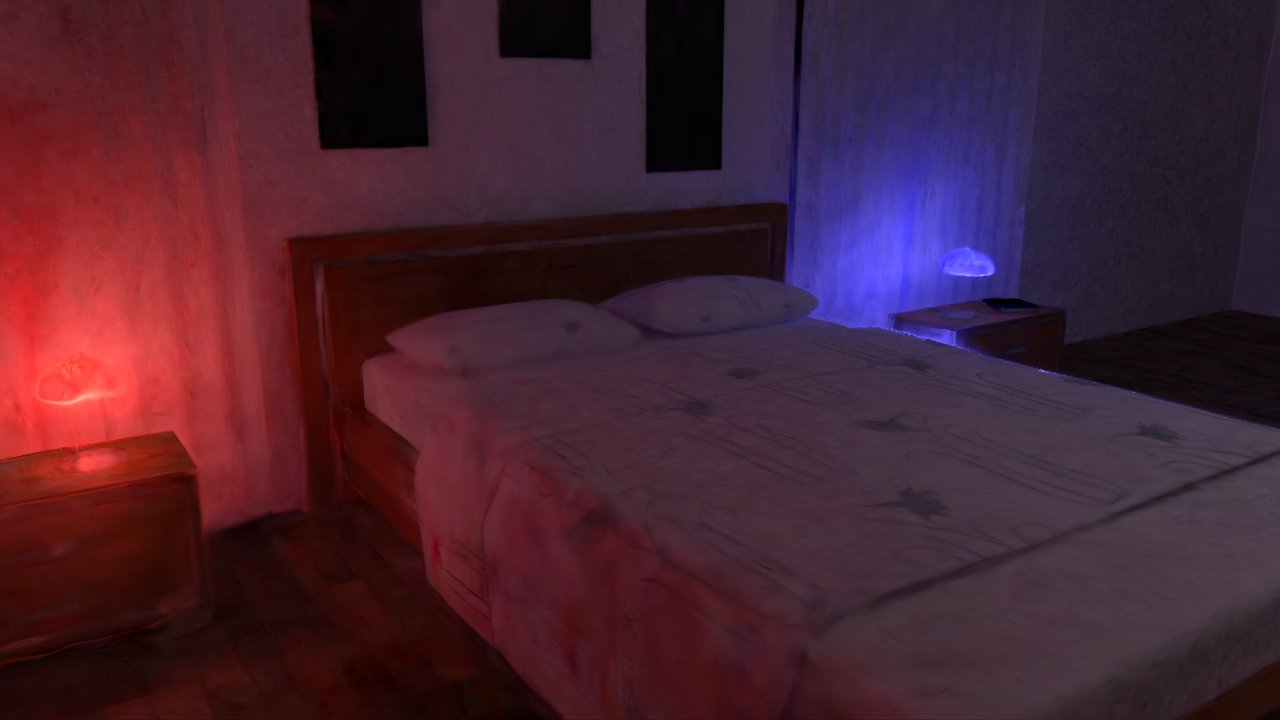
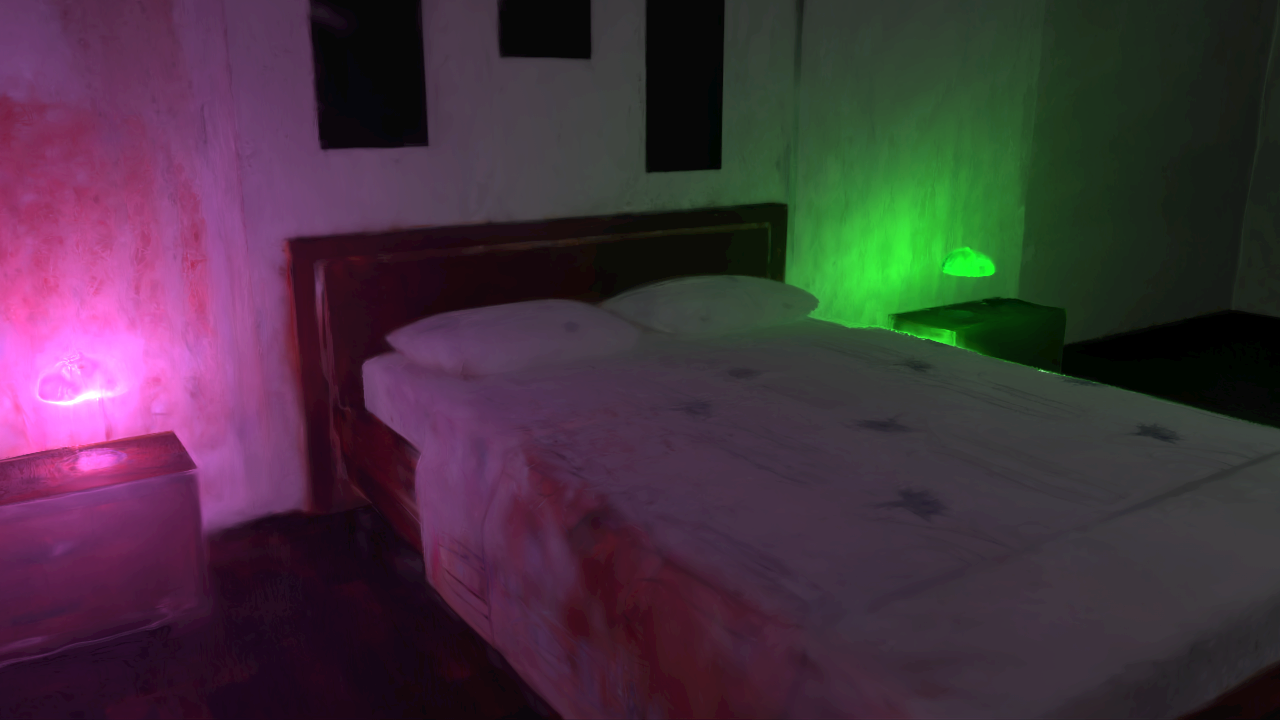
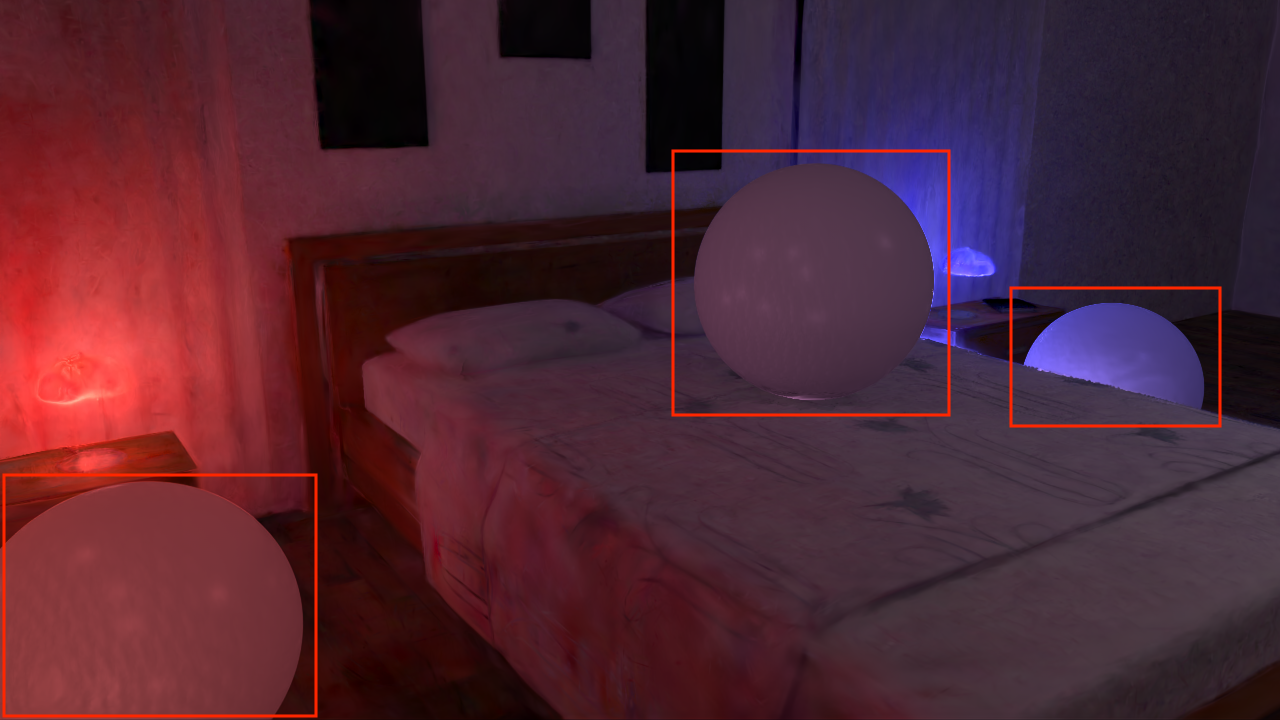
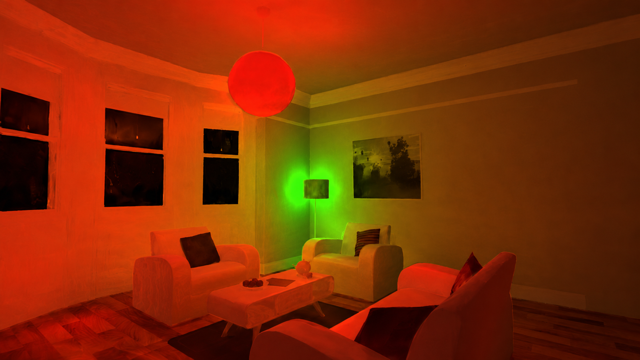
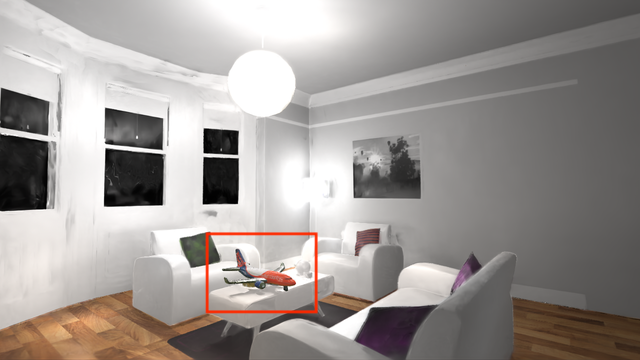
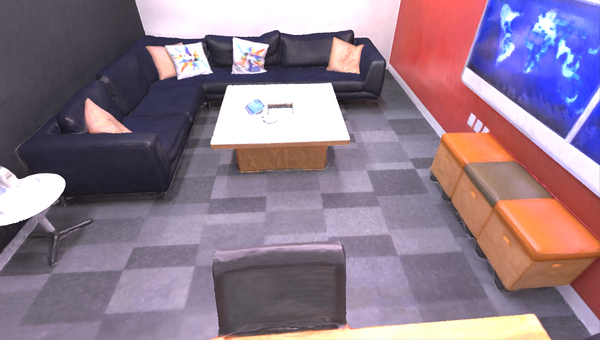
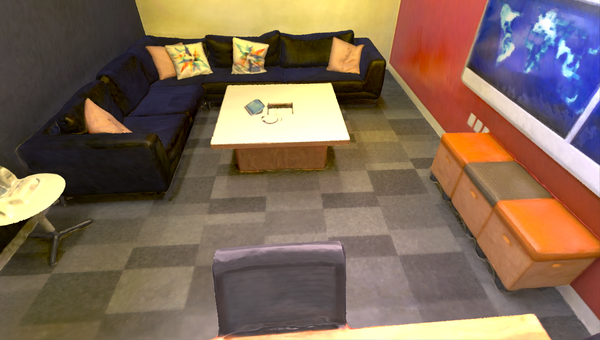
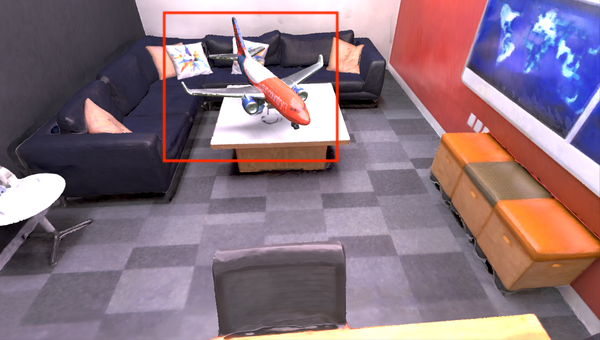
Because illumination is represented as editable geometric emitters, AEGIR supports controlled relighting and plausible virtual object insertion under local indoor lighting.
@misc{sabae2026aegirmodelingareaemitters,
      title={AEGIR: Modeling Area Emitters for Indoor Inverse Rendering using Gaussian Splatting},
      author={Mohamed Shawky Sabae and Philipp Langsteiner and Jan-Niklas Dihlmann and Hendrik Lensch},
      year={2026},
      eprint={2606.28635},
      archivePrefix={arXiv},
      primaryClass={cs.CV},
      url={https://arxiv.org/abs/2606.28635},
}The authors thank the International Max Planck Research School for Intelligent Systems (IMPRS-IS) for supporting Mohamed Shawky Sabae, Philipp Langsteiner, and Jan-Niklas Dihlmann.